Hair Transplant After 10 Years: What to Expect as Grafts Age
Wiki Article
Hair transplant after 10 years is a common concern for patients wondering about the extended durability of their findings. Many individuals who underwent surgery a decade ago still enjoy natural-looking hair, but understanding what to expect helps preserve satisfaction. This article explores the typical lifespan of transplanted hair, considerations that influence longevity, and practical steps to preserve outcomes over time. Readers will find clear information about follow-up care, lifestyle adjustments, and when further treatments might be helpful.
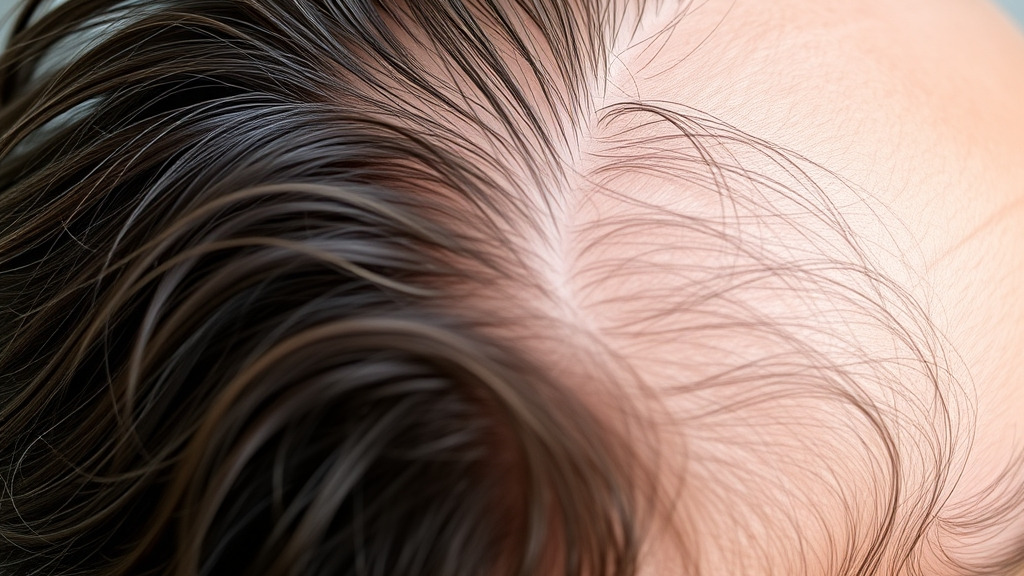
Long-Term Survival of Transplanted Hair
After a decade, the majority of transplanted hair follicles continue to be permanently in place. The first donor area genetics generally protect the grafts from future thinning, meaning hair that grew at year one continues to grow at year ten. However, natural aging processes still affect hair texture, density, and color. Some patients notice slight thinning due to total scalp health, while others preserve full coverage. Understanding this stability helps set realistic expectations for the future.
- Transplanted hair typically lasts a lifetime because it retains first genetic resistance to balding.
- Minor age-related thinning may occur alongside existing native hair.
- Regular scalp massage and gentle care support continued follicle health.
1. Transplanted hair typically lasts a lifetime because it retains original genetic resistance to balding.
2. Some patients experience subtle thinning as part of the natural aging process.
3. Regular scalp massage and gentle care support continued follicle health.
4. Periodic check-ups help monitor graft status and plan any revisions.
Long-term success depends heavily on preserving overall scalp health. Patients who follow post-operative care guidelines and attend periodic check-ups tend to preserve their outcomes more effectively. Good blood blood flow, proper nutrition, and avoiding harsh styling practices all contribute to keeping the transplanted area in optimal condition. These habits add to the genetic advantages the grafts already possess.
Strategies for Remaining Hair Loss
Aging often brings continued hair loss in neighborhoods surrounding the transplanted region. Since transplanted hair does not thin, but native hair may, numerous patients notice a contrast over time. This section explains practical approaches to balance the hairline, including medical therapies, low-level laser treatment, and considered planning for future procedures. The objective is maintaining a harmonious appearance without requiring complete reconstruction.
- Minoxidil or finasteride can help preserve existing native hair around the transplanted area.
- Low-level laser therapy may improve scalp circulation and assistance hair quality in thinning areas.
- Planning a future transplant session can blend new grafts with existing natural hair for a balanced appearance.
1. Minoxidil or finasteride can help preserve existing native hair.
2. Laser therapy devices can enhance blood flow and hair shaft quality.
3. Cosmetic powders add visual density without surgery.
4. Planning a future session can blend new grafts with existing hair.
Maintaining a consistent session plan prescribed by a qualified specialist helps manage these changes. Patients are encouraged to discuss their long-term goals during regular appointments, allowing for tailored adjustments that align with their evolving hair loss pattern.
Choosing the Right Technique for Revision or Enhancement
For those seeking subtle advances or addressing changes after ten years, revision techniques offer viable options. FUE (Follicular Unit Extraction) continues to be a popular choice for adding density or adjusting hairline shape with minimal scarring. Strip techniques may be considered for larger graft requirements. This section compares on offer approaches, recovery expectations, and how surgeons customize plans to individual anatomy and desired outcomes.
- FUE leaves tiny, nearly invisible dot scars at the donor district, making it suitable for adding density or refining hairline shape with minimal visibility.
- Recovery typically involves a few days of mild soreness, and most patients return to normal tasks quickly after the procedure.
- New growth becomes visible throughout three to four months, with transplanted hair growing naturally as it integrates with existing hair.
1. The FUE method produces small, discreet puncture marks.
2. Recovery typically involves a few days of mild discomfort.
3. Transplanted hair starts growing naturally after several months.
4. Financial considerations reflect the scope of the procedure.
Surgeons often recommend a consultation to determine the most appropriate approach based on donor availability and aesthetic goals. Each case receives individualized assessment to ensure natural-looking results that complement the existing hairline.
Lifestyle Habits That Support Lasting Results
Everyday choices significantly impact how well hair transplant results endure. Protecting the scalp from excessive sun exposure, using mild shampoos, and avoiding tight hairstyles prevent unnecessary stress on follicles. This section outlines practical lifestyle adjustments that support long-term hair health, from nutrition choices to stress management techniques that benefit overall well-being and hair quality.
- Use gentle, sulfate-free shampoos and avoid harsh chemical treatments that can irritate the scalp
- Protect the scalp from prolonged straightforward sun exposure with hats or sunscreen formulated for the scalp
- Schedule periodic follow-up appointments with the transplant surgeon to monitor scalp health and address any concerns early
1. A diet rich in protein, iron, and vitamins strengthens hair from within.
2. Quitting smoking enhances circulation delivering nutrients to follicles.
3. Managing stress helps minimize stress-related hair loss.
4. General fitness aids nutrient delivery to hair roots.
Combining these habits with medical advice creates a comprehensive method to preserving hair transplant investment. Patients who adopt these practices often report greater satisfaction with their appearance even years after surgery.
Hair transplant after 10 years offers stability for most patients, especially when combined with ongoing care and realistic expectations. While the transplanted grafts themselves are permanent, the surrounding hair landscape may change with age. By staying knowledgeable, maintaining scalp health, and working closely with a trusted surgeon, individuals can enjoy natural-looking findings well into the future. The important lies in proactive control rather than reactive therapy, ensuring confidence in one's appearance for years to come.
Find out more on - Hair Transplant Surgery Malaysia Price
Report this wiki page